Al Mukmin I’m looking at cooking I love
05 SALAM – Salvation Army
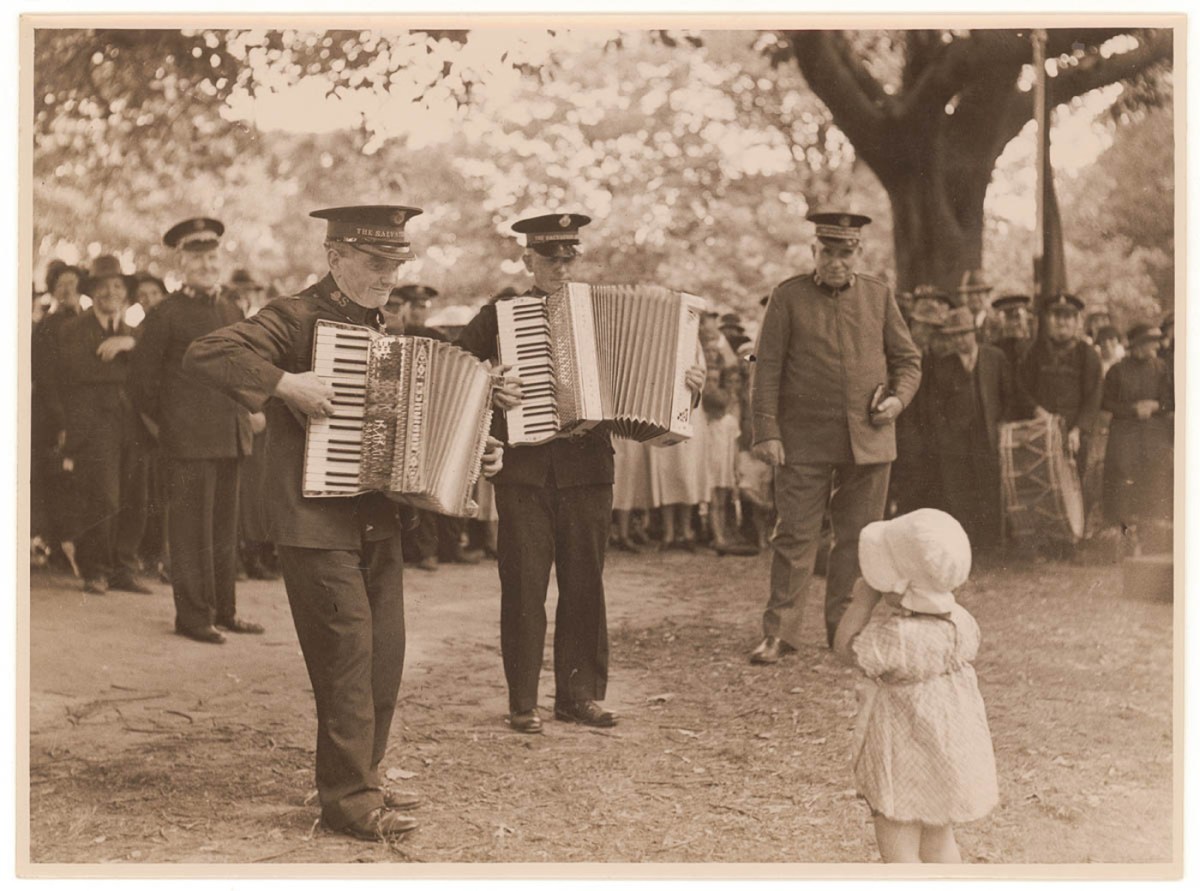
Salam, Salvation Army:
So many wys you are me & arent’t
I tried to talk, got sold a walk
& told to sit & fit: I can’t.
That’s past: outclassed.
Salam, Salvation Army.
Geoff Fox, May 30, 2026, Melbourne, Australia
04 Al Quddus – The Pure

Ya Quddus
The Pure

Geoff Fox, May 30, 2026, Footscray, Australia
03 Al Malik – Dawud and Jawut
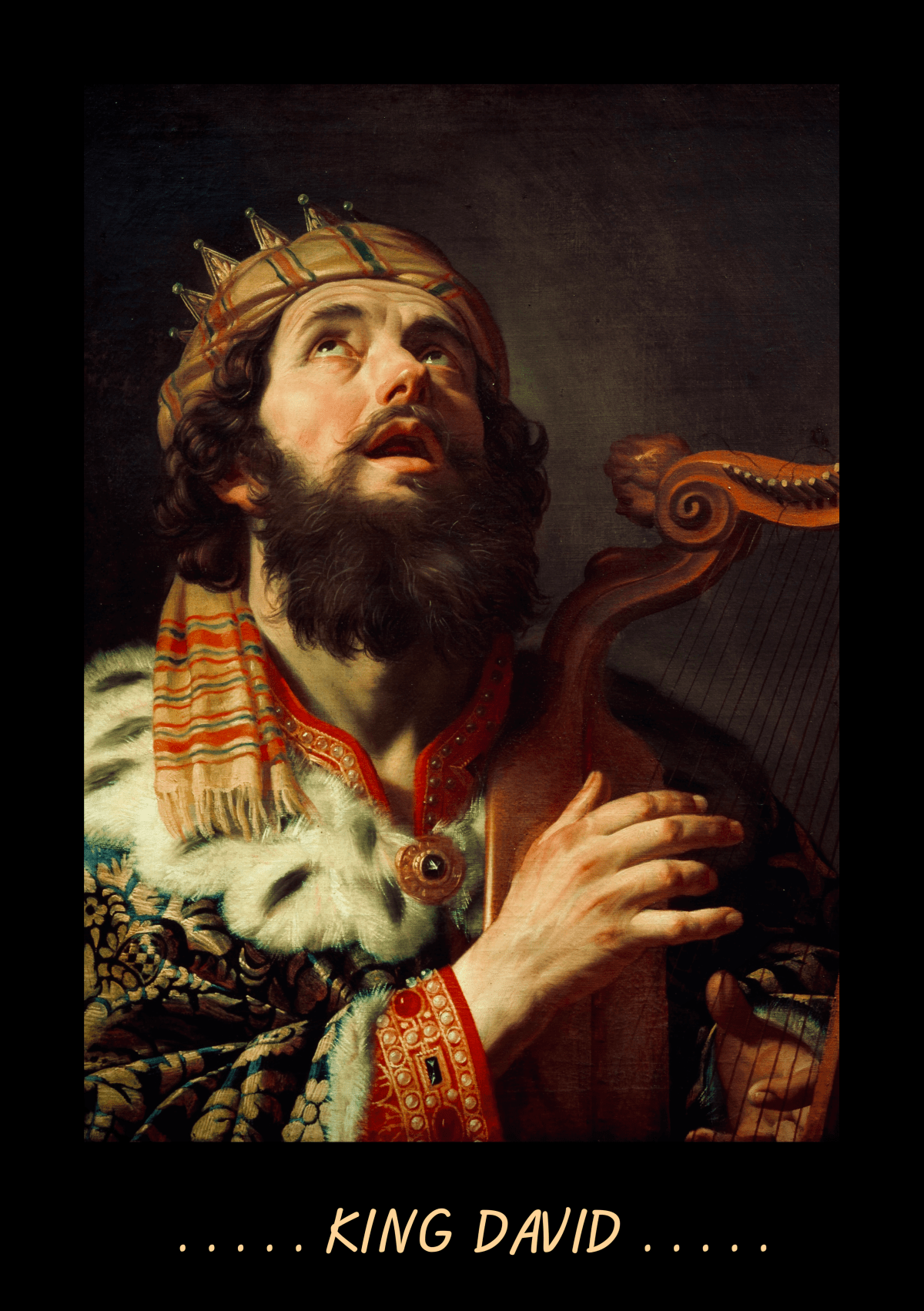
Ya Malik
I pray to you to use your strength to protect the little guys in Australian society from the big guys who do not care about them.
And, when the big guys do not stop hurting the little guys, then please replace them with better leaders just like you did in the story of David and Goliath. (Dawud and Jawut in the Islamic tradition.)
La hawla wala quwwata illa billah (there is no strength or power except with God)
Geoff Fox, Paisley St, Footscray, Victoria, 29th May, 2026
BACKGROUND INFORMATION TO THIS PRAYER
The Salvation Army is like Jawut aka Goliath. It is a billion dollar organisation backed by a 100 billion dollar organisation, the Victorian government, lead by Jacinta Allan, who attended the recent opening of the Salvos’ Twilight Cafe in Paisley St.
Jacinta Allan has committed $950,000 to the new Salvo cafe. I think that is a mistake.
Small businesses nearby are deeply concerned about how this change in the neighbourhood will effect patronage for them. These are little guys. Like Dawud aka David. They are very pure people. They remind me of the people whom Robert Menzies described on May 22nd in 1942 as “the real life of this nation (which) is to be found …….. in the homes of people who are nameless and unadvertised, and who, whatever their individual religious conviction or dogma, see in their children their greatest contribution to the immortality of their race.”
Before finally committing to the $950,000 for this Goliath, Jacinta Allan should be making sure that no small family business Davids in or near Paisley St will be put out of business by the money she provides.
Neither the Salvation Army nor the Victorian government should assume that, just because they are very big, they can afford to ignore what the little guy is trying to tell them.
Every single Christian at the Salvation Army should be very familiar with how the story of David and Goliath ended.
Will they hear my prayer?
I know that God (Al Bashir As Sami) is listening and watching.
But Jacinta Allan and the Salvos are not God.
01-02 Ar Rahman Ar Rahim: Chaplin’s Masterpiece The Kid – In Mercy We Reflect A Glimpse Of The Divine
The Kid and the Reflection of Divine Mercy by Numan Seyit
The Kid (1921), directed by Charlie Chaplin, is a powerful tale of compassion and resilience that echoes core values in Islam, especially the concept of mercy. Through the bond between The Tramp and the abandoned child, Chaplin tells a story that transcends hardship, weaving humour and humanity into a narrative of care. This narrative allows us to explore significant Islamic concepts, particularly Ar-Rahman (The Most Merciful) and Ar-Raheem (The Most Compassionate), two of Allah’s names that emphasise His boundless mercy towards all creation. In viewing The Kid through this lens, we see how human mercy and love can reflect divine qualities, exemplifying the importance of compassion, trust, and care for others in our own lives.
In Islam, Ar-Rahman and Ar-Raheem are two of the most frequently invoked names of Allah, appearing in the phrase Bismillah Ar-Rahman Ar-Raheem (“In the name of Allah, the Most Merciful, the Most Compassionate”). These names denote Allah’s infinite mercy and continual care for all of creation, highlighting that mercy is a central theme in Islam. This attribute of mercy serves as a model for believers, who are encouraged to embody compassion, particularly towards those in need. In The Kid, Chaplin’s character The Tramp demonstrates this by selflessly taking in an abandoned child, choosing to care for him despite his own poverty. Through The Tramp’s actions, we see a reflection of the mercy and protection that Allah extends to His creation.
This relationship mirrors the Islamic principle of mercy in that The Tramp does not abandon the child, but rather nurtures him and sacrifices his own comfort for the boy’s well-being. In Islam, caring for orphans and the less fortunate is a noble act, repeatedly emphasised in the Quran. Just as Allah is merciful to all, regardless of status or origin, believers are encouraged to embody rahma (mercy) towards others. By adopting The Kid, The Tramp not only provides a model for compassion but also underscores the notion that mercy knows no boundaries of blood or family, aligning with the expansive scope of Ar-Rahman’s and Ar-Raheem’s mercy.
A key aspect of The Tramp and The Kid’s bond is the idea that family can be formed through actions of love and mercy rather than by blood. In Islam, we see a similar notion in the emphasis on community care. Muslims are urged to support and protect each other as a single family, particularly those who are vulnerable. The Quran reminds believers of the importance of caring for orphans, the needy, and those without a protector: “And they give food in spite of love for it to the needy, the orphan, and the captive” (Quran 76:8). Through his devotion to the child, The Tramp fulfils this responsibility of mercy, making the child’s well-being his priority. He is willing to endure personal hardships to ensure that the child is cared for, symbolising the way in which divine mercy, as embodied by Ar-Rahman, flows through human actions.
Despite their struggles, The Tramp and The Kid continue to face challenges with a resilience that recalls the Islamic concept of tawakkul, or placing trust in Allah. Even with few resources, The Tramp finds joy and manages to create moments of happiness for himself and the child. This echoes the concept of trusting in Allah’s plan, as believers are encouraged to keep faith and trust in Allah’s mercy, even in times of hardship. This trust allows Muslims to be patient and resilient, knowing that Allah’s mercy is ever-present and that relief may come at any moment.
The challenges depicted in The Kid also highlight the importance of social responsibility, especially in supporting the needy. Islam enjoins believers to give generously, encouraging acts of charity like zakat (obligatory almsgiving) to address poverty and care for the vulnerable. The Kid serves as a reminder of the importance of these values. In a society where some struggle to survive, Allah’s names Ar-Rahman and Ar-Raheem urge Muslims to become vessels of divine mercy, helping to lift the burdens of others, just as The Tramp does for the child.
In The Kid, we witness a deeply human portrayal of mercy that mirrors the divine qualities of Ar-Rahman and Ar-Raheem. The film reminds us of the responsibility to care for those in need, embodying Allah’s mercy in the world. The Kid serves as a call for Muslims to adopt compassion as a guiding principle, striving to be a source of comfort and support, much like the way Allah’s mercy envelops all creation. Through Chaplin’s timeless masterpiece, we are reminded that in every act of mercy, we reflect a glimpse of the divine.
ALLAH
Numan Seyit sings from the heart.
For Allah.
18 19 and 21 Al Fattah Al Alim Al Basith
This is a transcreation of the Maman A Majid Binfas poem “Ayah” (Dad)
My guess is that Maman’s father had a very similar personality to my dad, but was in a society where that gentleness is better valued than in The West.
Geoff Fox, 26th December, 2020 Terra Nullius
17-18 Ar Razak Al Fattah
Wealth is green.
16-19 Al Wahhab Ar Razak Al Fattah Al Alim
The ninth day of the ninth month is a very important day.
Selamat Ulang Tahun Presiden Yudhoyono.
Geoff Fox, 9th September, 2020, Terra Australis
15-17 Al Qahhar Al Wahhab Ar Razak
In 2019, believing I could not survive Australian spiritual and political oppression, I sought freedom in Indonesia.

